Many people assume that furniture in a home should match.
Matching bedroom sets, dining sets, and living room pieces have been a common approach for years. Because of this, it can feel like the “right” way to furnish a space.
At the same time, many homes today include a mix of materials, finishes, and styles. This can make it unclear whether everything should coordinate exactly or if variation is acceptable.
When people ask whether furniture should match, they are usually trying to understand how to create a space that feels comfortable and cohesive without making the wrong decision.
In our experience, the goal is not to make everything identical. It is to create a space where the pieces work well together and support how the home is used.
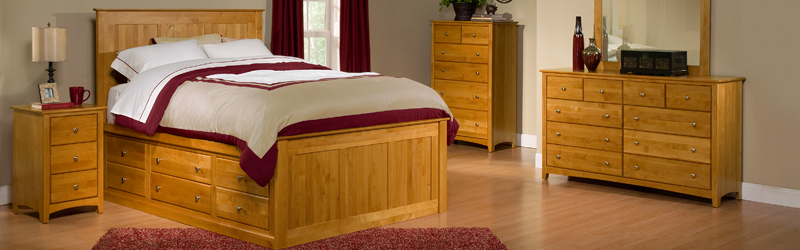
At a Glance: Does Furniture Need to Match?
Furniture does not need to match exactly to work well in a home.
In most cases, it is more important to focus on:
• How the furniture fits the space
• How the pieces are used daily
• Whether materials and finishes feel balanced
• Comfort and functionality over appearance alone
Matching can work, but it is not the only approach.
Why Matching Furniture Became Common
Matching furniture sets became popular because they simplify decisions.
When pieces are designed to go together, it removes uncertainty about:
- Color combinations
- Materials
- Overall appearance
This can be helpful, especially when furnishing a room quickly.
However, matching sets can also limit flexibility. They are designed as a group, which may not always fit how a space is actually used.
When Matching Furniture Can Make Sense
There are situations where matching furniture works well.
For example:
- Bedrooms where a consistent look is preferred
- Smaller spaces where fewer visual elements help reduce clutter
- Rooms that are used less frequently
In these cases, matching pieces can create a simple and cohesive appearance.
When Mixing Furniture Works Better
In many homes, mixing furniture tends to be more practical.
This is especially true when:
- Rooms serve multiple purposes
- Furniture is added over time
- Different pieces are used for different functions
Mixing allows for more flexibility and can make it easier to choose pieces based on comfort and usability rather than appearance alone.
Focus on Function First
One of the most important considerations is how the furniture will be used.
For example:
- A dining table may need to handle daily use and occasional gatherings
- Living room seating may need to balance comfort and durability
- Bedroom furniture may need to support long-term comfort
Choosing pieces based on function first often leads to better long-term results than focusing on matching alone.
We discuss this approach further in our guide on choosing dining room furniture in Salem Oregon homes.
Balance Matters More Than Matching
Instead of matching everything exactly, it often helps to think in terms of balance.
This can include:
- Combining different materials that feel compatible
- Mixing finishes that do not compete with each other
- Keeping proportions consistent across pieces
A space can feel cohesive even when pieces are not identical.
Mixing Wood Furniture
Wood furniture is one of the most common areas where people question whether things need to match.
Different wood tones can work together, but it helps to consider:
- Overall color range (light, medium, dark)
- Consistency in undertones
- How pieces relate to each other in the room
We explore this further in our guide to solid wood vs engineered wood furniture in Salem Oregon homes.
Furnishing Over Time vs Buying All at Once
Many homes are furnished gradually rather than all at once.
This naturally leads to a mix of styles and materials.
In these situations, trying to match everything exactly is often not practical.
Instead, focusing on:
- How each piece fits the space
- How it will be used
- Whether it complements existing furniture
These concepts tends to produce better results.
Size and Layout Still Matter Most
Even when mixing furniture, size and layout are often more important than whether pieces match.
Furniture that fits the room properly and allows for comfortable movement will usually feel more cohesive than furniture that matches but does not fit well.
We cover this in more detail in our guide on how to choose furniture size for your Salem Oregon home.
How This Connects to Overall Furniture Quality
Matching or mixing does not change how furniture performs over time.
Construction, materials, and design still determine how well a piece holds up with regular use.
Our complete guide to high-quality furniture in Salem Oregon explains what to look for when evaluating long-term performance.
A Practical Way to Think About It
Furniture does not need to match to create a comfortable, functional home.
It is often more helpful to focus on:
- How the space is used
- How the furniture fits together
- Whether the room feels balanced
When those factors are in place, the overall space tends to feel cohesive, even without matching sets.
Frequently Asked Questions
Does all furniture in a room need to match?
No. Furniture does not need to match exactly as long as the pieces work well together and fit the space.
Is it better to buy matching furniture sets?
Matching sets can be helpful in some situations, but they are not required for a functional or cohesive space.
Can you mix different wood finishes?
Yes. Different wood finishes can work together when the overall balance and tone of the room are considered.
How do I make a room feel cohesive without matching furniture?
Focusing on layout, scale, and balance usually helps create a cohesive feel even when pieces are different.
What matters more than matching furniture?
Function, comfort, size, and how the furniture is used are usually more important than whether pieces match.
