A home office needs to do more than simply provide a place for a desk.
Whether you work from home every day, manage household paperwork, or only use the space occasionally, the furniture and layout can affect how comfortable and practical the room feels. A desk that is too large can overwhelm the space, while a chair that does not fit the person using it can make longer work sessions less comfortable.
When setting up comfortable home office furniture in Salem Oregon, it helps to start with how the office will actually be used. The right setup for someone working eight hours a day may be very different from a small workspace used a few times each week.
Rather than trying to create a picture-perfect office, focus first on furniture that fits the room, supports your routine, and gives you enough usable space to work comfortably.
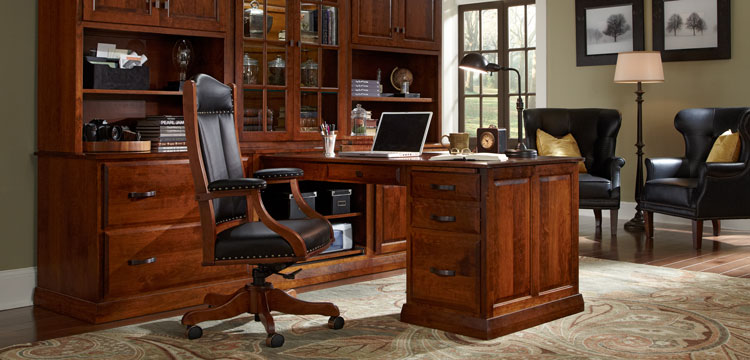
At a Glance: What Matters in a Comfortable Home Office
A practical home office starts with a few basic considerations:
- Choose a desk that provides enough work surface without overwhelming the room.
- Select an office chair that fits the person using it and offers useful adjustments.
- Make sure there is enough room to move comfortably around the workspace.
- Add storage based on what you actually need to keep within reach.
- Consider construction and materials if the furniture will see frequent use.
- Think about how technology, cords, lighting, and other everyday necessities will fit into the setup.
The goal is not to add as much office furniture as possible. It is to create a workspace that makes everyday tasks easier.
Start With How You Actually Work
Before choosing furniture, think about what happens in the office on a typical day.
Someone who primarily works from a laptop may need relatively little desk space. A person who uses multiple monitors, paperwork, reference materials, or other equipment may need a larger work surface.
Consider questions such as:
- How many hours will the office typically be used?
- Will you use a laptop, desktop computer, or multiple monitors?
- Do you regularly work with paperwork?
- Do you need files or supplies within reach?
- Will anyone else use the space?
- Does the room need to serve another purpose?
Answering these questions first makes it easier to determine what furniture the office actually needs.
Choosing a Desk That Fits the Work
A desk should provide enough room for your everyday tasks without taking over the room.
Before buying one, consider both the available floor space and the equipment that needs to sit on the work surface. A large desk may be useful for someone who needs several monitors or regularly spreads out paperwork, but unnecessary for someone who works primarily from a laptop.
Desk configuration matters as well. Depending on the room and the type of work being done, a traditional desk, writing desk, L-shaped configuration, or desk with additional storage may make sense.
Sid’s offers a selection of office furniture that includes desks and other configurations for home workspaces.
Give the Office Chair Just as Much Attention
For anyone who spends significant time working at a desk, the office chair can be one of the most frequently used pieces in the workspace.
There is no single chair that will feel right for everyone. Body proportions, personal preferences, desk height, and the amount of time spent sitting can all affect what feels comfortable.
Useful features to evaluate can include:
- Seat height adjustment
- Seat dimensions
- Back support
- Armrest positioning
- Recline or tilt adjustments
- Overall fit with the desk
Whenever possible, sitting in different chairs before choosing one can help you compare how they actually feel rather than relying on appearance or specifications alone.
Sid’s carries customizable office chair options that can be evaluated in the showroom.
Make Sure the Furniture Fits the Room
Home offices come in many sizes. Some have an entire dedicated room, while others occupy a smaller bedroom, den, or part of another living space.
That makes measuring especially important.
Consider the desk itself, but also account for the space required to pull the chair away from it, open drawers or cabinets, and move through the room.
If the office includes a bookcase, credenza, filing cabinet, or additional seating, those pieces need to be considered as part of the overall layout rather than individually.
Our furniture sizing guide for Salem homes goes into greater detail about measuring rooms, planning clearance, and choosing furniture that fits without overcrowding the space.
Think Carefully About Storage
It is easy to assume that every home office needs substantial storage.
That is not always the case.
If most of your work is digital, a large filing system may simply consume valuable floor space. On the other hand, someone who regularly works with documents, books, samples, or supplies may benefit from drawers, cabinets, shelving, or a credenza.
Start with what actually needs to be stored.
Then consider whether those items need to be within arm’s reach or can be stored elsewhere in the room. This can help prevent adding furniture simply because it is traditionally associated with an office.
Leave Room for Everyday Movement
A home office can contain all the right furniture and still feel uncomfortable if the layout is too tight.
Think about what happens when you sit down, stand up, open a drawer, reach for a file, or walk through the room.
Ideally, the layout should provide enough space to use each piece comfortably without regularly moving other furniture out of the way.
This becomes especially important when an office shares space with a guest room, bedroom, or another part of the home.
A smaller desk with adequate clearance may ultimately be more useful than a larger desk that makes the rest of the room difficult to navigate.
Don’t Forget Technology and Cords
Modern home offices usually need to accommodate more than furniture.
Computers, monitors, chargers, printers, lamps, internet equipment, and other devices can influence where furniture should be placed.
Before settling on a layout, consider:
- Where electrical outlets are located
- How equipment will connect
- How cords can be routed so they stay organized and out of the way
- Where task lighting may be needed
- Whether frequently used equipment will be easy to reach
Planning around these practical details before purchasing furniture can make the finished workspace easier to use.
Consider Construction for Frequently Used Pieces
If a home office is used every day, desks, drawers, hardware, and chairs may see significant repeated use.
Construction therefore deserves consideration alongside appearance.
For desks and storage pieces, look at stability, drawer operation, hardware, and the materials used in the piece. For chairs, consider the quality of the components as well as whether the chair provides the adjustments and fit you need.
Furniture quality varies considerably, so it helps to evaluate the entire piece rather than assuming that a particular material or feature automatically makes it better.
For a broader look at construction, materials, and craftsmanship, see our complete guide to high-quality furniture in Salem Oregon.
A Home Office Doesn’t Need to Look Like a Corporate Office
A home workspace is still part of your home.
It can be functional without feeling overly formal, and it does not necessarily need a matching desk, bookcase, filing cabinet, and chair.
Start with the pieces that support the work you actually do. Additional furniture can be added if a real need develops.
This approach can also make it easier to create an office that works with the rest of the home rather than feeling like an entirely separate environment.
Why Seeing Office Furniture in Person Can Help
Measurements and product specifications are useful, but they do not tell you everything about how office furniture will feel in daily use.
Seeing a desk in person can give you a better sense of its scale, work surface, storage, finish, and construction. Sitting in an office chair allows you to compare fit and adjustments directly.
For a workspace that may be used for hours at a time, those differences can matter.
Sid’s Home Furnishings carries office furniture and customizable office chair options in its Salem showroom, giving shoppers an opportunity to compare pieces before making a decision.
A Practical Approach to a More Comfortable Home Office
A comfortable home office does not come from adding more furniture.
It comes from choosing the right furniture for the person, the work, and the room.
Start with how the office will be used. Choose a desk with enough usable space, give the chair careful consideration, plan for movement and storage, and account for the technology that will be part of the workspace.
When those pieces work together, the office can feel more comfortable, organized, and practical for everyday use.
Frequently Asked Questions
What furniture do I need for a home office?
Most home offices begin with a desk and chair. Storage, bookcases, filing cabinets, credenzas, or other pieces can be added depending on the type of work being done and what needs to be stored.
How do I choose the right desk size?
Consider the dimensions of the room, the amount of work surface you need, and the space required for your chair and surrounding walkways. The largest desk that fits is not necessarily the most practical choice.
What should I look for in a home office chair?
Look for a chair that fits your body and works with your desk. Depending on your needs, useful features may include adjustable seat height, supportive back design, arm adjustments, tilt or recline options, and appropriate seat dimensions.
Does home office furniture need to match?
No. A home office can combine different pieces as long as they work well together, fit the room, and support how the space is used.
Should I see an office chair in person before buying it?
When possible, trying an office chair in person can be helpful because comfort and fit are individual. It also allows you to test adjustments and compare different chairs directly.
